
Panch Kedar: Closing the 2026 Season, Welcoming 2027
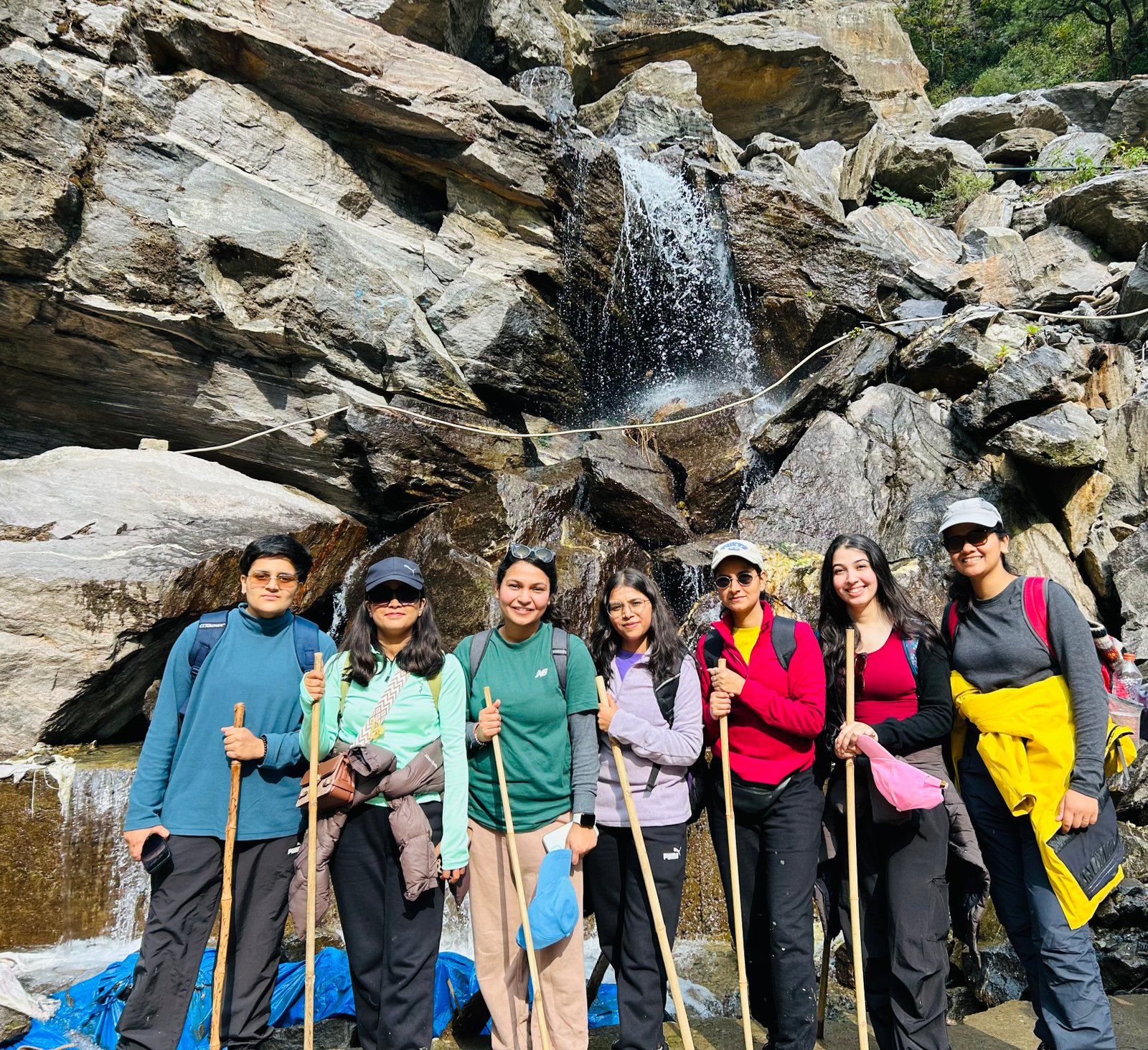
In the Garhwal Himalayas, the Panch Kedar temples follow the rhythm of the mountains. As winter approaches, four shrines close their doors and their deities travel to traditional winter seats. When spring returns, ceremonial processions carry them back to the high temples.
The Story of the Five Kedars
According to local religious tradition, after the Mahabharata war, the Pandavas sought Lord Shiva’s blessings. Shiva took the form of a bull and disappeared into the earth when Bhima recognised him. Different parts of the bull are said to have appeared at five places: the hump at Kedarnath, the arms at Tungnath, the face at Rudranath, the navel and torso at Madhyamaheshwar, and the matted hair at Kalpeshwar. Together, these shrines are called Panch Kedar.
Part One: The 2026 Kapat Closures
The closing dates are set separately for each shrine. Rudranath’s kapat had closed on 17 October. The closing schedules for Kedarnath, Tungnath and Madhyamaheshwar are determined separately; Kedarnath’s closing date and muhurat were still awaiting official announcement at this point. Its date is traditionally announced around Vijayadashami, and its kapat usually closes on Bhai Dooj.
Kedarnath: The Doli’s Journey to Ukhimath
At Kedarnath, final worship marks the close of the season. After the temple doors are shut, the Panchmukhi Utsav Doli begins its ceremonial journey to Omkareshwar Temple in Ukhimath, Kedarnath’s winter seat. Worship continues there while snow and winter weather make the high shrine difficult to reach.
Tungnath: Winter Worship at Makkumath
Tungnath is associated with the arms of Shiva. When its seasonal doors close, worship shifts to Makkumath, the shrine’s winter seat. The move carries the temple’s worship from the high mountain route down to a village that remains accessible through winter.
Rudranath: From the High Meadow to Gopeshwar
Rudranath, where Shiva’s face is worshipped, is reached through a demanding mountain journey. After its 2026 closure on 17 October, its winter worship moved to Gopinath Temple in Gopeshwar.
Madhyamaheshwar: The Winter Seat at Ukhimath
At Madhyamaheshwar, tradition honours Shiva’s navel and torso. After the seasonal closure, worship continues at Omkareshwar Temple in Ukhimath, where the winter worship of Kedarnath is also held.
Kalpeshwar: The Kedar That Stays Open
Kalpeshwar is different from the other four. It remains open throughout the year, so it does not have the same annual winter closure and spring opening ceremony.
Part Two: Looking Ahead to the 2027 Openings
The 2027 opening dates for the Panch Kedar have not yet been announced. Each temple’s date is set separately according to the religious calendar, so the confirmed schedule should be added once the relevant temple authorities make their announcements.
The opening season is not just about the doors being unsealed. At the seasonal shrines, the deity’s ceremonial form travels from its winter seat back towards the high temple. Priests perform worship and traditional rituals before the kapat open to pilgrims.
Kedarnath: The Return from Ukhimath
Kedarnath’s ceremonial doli returns from Omkareshwar Temple in Ukhimath before the temple opens for the new season. The opening date and muhurat are announced closer to the season; the 2027 date is still to be confirmed.
Tungnath: The Procession from Makkumath
For Tungnath, the seasonal journey returns from Makkumath towards the high shrine. The 2027 opening date and ceremony schedule have not yet been announced.
Rudranath: The Journey Back from Gopeshwar
Rudranath’s winter worship is associated with Gopinath Temple in Gopeshwar. In spring, the return procession marks the start of the new season at the mountain shrine. Its 2027 opening date is awaiting announcement.
Madhyamaheshwar: The Return to the Valley Shrine
The ceremonial form of Madhyamaheshwar returns from Ukhimath before the temple’s seasonal opening. The date and muhurat for 2027 will be set closer to the pilgrimage season.
Kalpeshwar: Open Through Every Season
Kalpeshwar remains open year-round. Pilgrims can visit without waiting for an annual kapat opening, though local weather and access conditions should still be checked before travelling.
Closing: The Mountains’ Annual Rhythm
The Panch Kedar’s calendar follows the seasons: the 2026 closures carry worship to winter seats, and the 2027 opening processions will bring it back to the mountains. The exact 2027 dates are still to come, but the tradition continues—five shrines, five sacred forms, and one journey that returns with every spring.
Anamika
Mountain Content Specialist & High-Altitude Trek Leader at Mountain Guide.